ottonova Review 2026: Digital Private Health Insurance for Freelancers in Germany
Fastlancer Team · Updated: Nov 17, 2026
Short verdict
Private health insurance without the paperwork
- Self-employed people in Germany who are young, healthy and would pay a high public insurance premium
- Expats who want English-speaking support by chat and phone instead of German paperwork
- Freelancers who travel and want cover across Europe and for stretches worldwide
- Anyone with children or a partner without income who would be covered for free in public insurance
- Anyone who needs a contract in English, since only the German version is legally binding
What ottonova does for freelancers in Germany
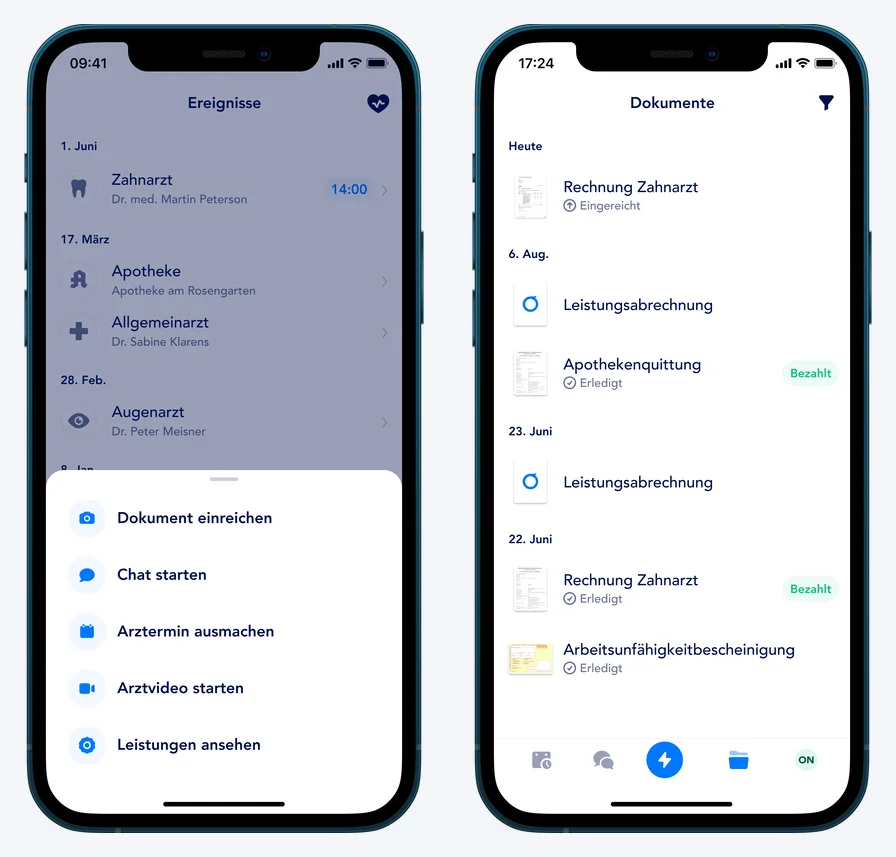
If you're self-employed in Germany, you pay your entire health insurance premium yourself, and private insurance adds admin: paying doctors' bills, submitting them, waiting for reimbursement. ottonova is a Munich-based private health insurer that moves all of that into an app. You photograph bills, ask about coverage in the chat, and a concierge team books doctor appointments on request, with support available in English by chat and phone.
Behind the app is a full private insurer licensed by Germany's financial regulator BaFin, with the usual building blocks: a daily sickness allowance for lost income, a deductible to lower the premium and premium relief for later life. Cover applies across Europe with no time limit and worldwide for up to six months at a stretch (two months on the expat plan).
How a doctor's bill works with ottonova
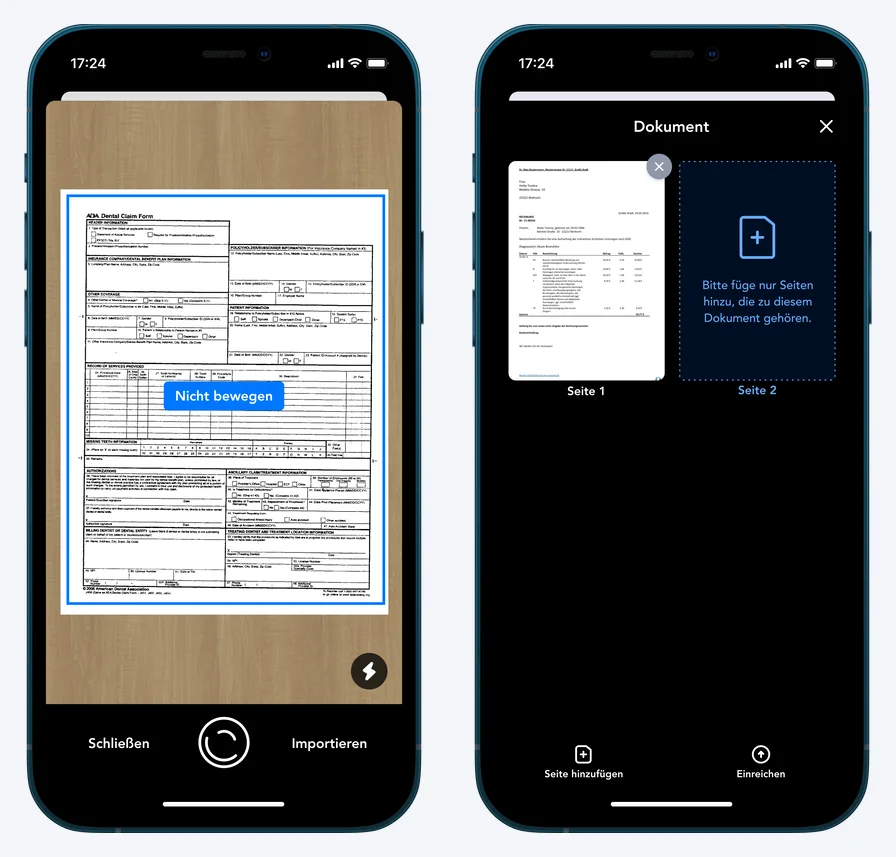
German private insurance works on reimbursement: the practice sends you the bill, you pay it and claim the money back. With ottonova you photograph the bill with the in-app camera, add any further pages and submit it. You can track its status in the document list, and ottonova says the money usually arrives before the practice's payment deadline.
One catch: if a bill suggests a condition that existed before your policy started, ottonova reviews it and may ask for medical records. If relevant health information was missing from your application, a risk surcharge can be added retroactively. Answer the health questions completely and honestly, even if the German medical terms take time. ottonova says its data sits in a data center in Germany.
ottonova pricing: deductibles, refunds and sick pay
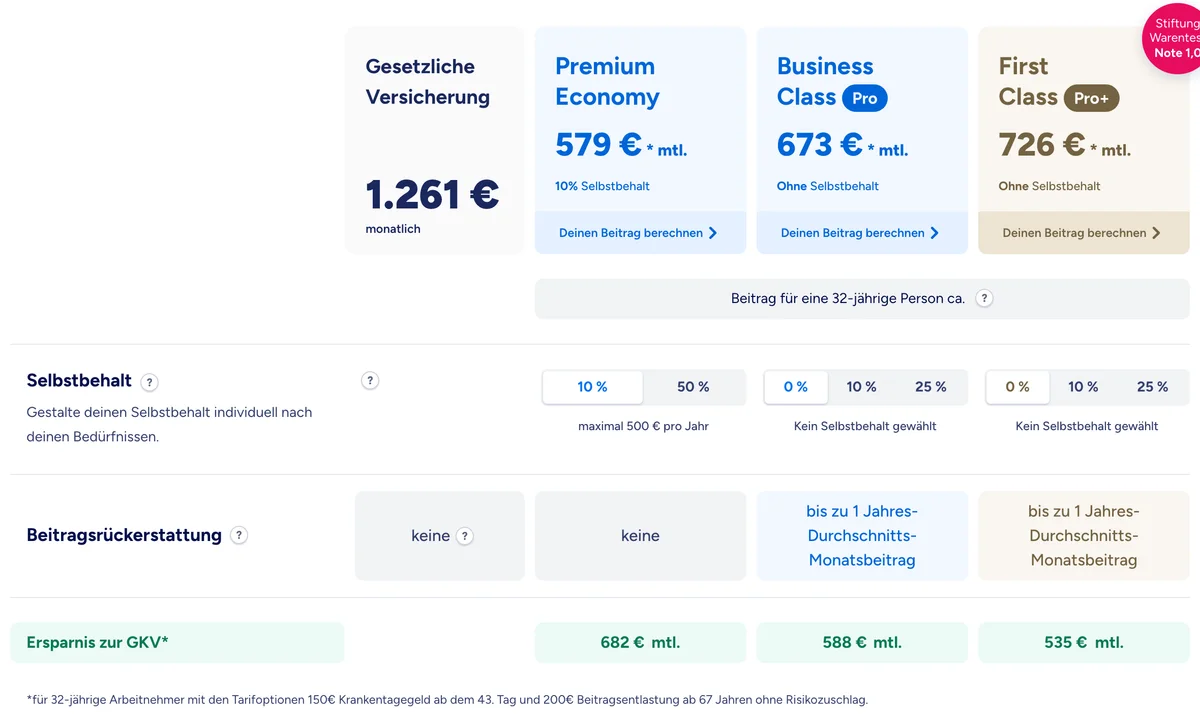
Plan tier and deductible move your premium the most. Plans with a percentage deductible reimburse from the first euro while you carry a share of each bill up to an annual cap. The Pro plans cost a little more, drop the deductible and refund one monthly premium if you claim nothing but check-ups, vaccinations and dental cleaning for a year, so the refund suits years with few bills, while dropping the deductible helps in years with many.
The catch the plan cards can't show: daily sickness allowance for the self-employed starts on day 43 of illness. You cover the first six weeks without income from your own savings.
Before you sign: family, contract language and staying in Germany
Private premiums don't depend on income, but they rise with healthcare costs over the years. ottonova sets aside part of each premium as old-age reserves and offers premium relief from 67; both soften the increase without stopping it. In public insurance, children and a spouse without income are covered for free, while with ottonova every person needs their own policy. If the other parent has public insurance, children can sometimes stay covered there for free, unless the privately insured parent earns more and is above the income threshold. Newborns can join without a health check if a parent was insured for three full months before the birth and you register the child within two months.
Two points matter for expats in particular. The English pages and translations are for information only; the legally binding contract is in German. And if you might leave Germany within a few years, ask how your policy and reserves are handled when you move, because German private cover is built to run for decades. This page isn't personal advice; if you have pre-existing conditions or family plans, get an independent view of your case. To factor the premium into your rates, try our Hourly Rate Calculator.
What we like about ottonova and what we don't
Pros
- Submit bills with a photo
- English-speaking support by chat and phone
- No waiting periods on full cover
- Concierge books doctor appointments
- Pro plans refund a month's premium
Cons
- Contract legally binding in German only
- No free family cover
- Hard to switch back to public insurance
ottonova doesn't make the big questions of German private health insurance go away, but it's the most convenient way to live with them day to day, especially if your German is still a work in progress. More cover for your business, from professional liability to small business policies, is in our insurance overview for freelancers.
Pricing
Premium Economy
Variable
premium depends on age and health
- Example, age 32: €579 a month, 10% deductible capped at €500 a year
- Specialist appointments via the ottonova concierge
- Double room with head physician, 60% for dentures
Business Class
Variable
premium depends on age and health
- Example, age 32: €653 a month, 10% deductible capped at €500 a year
- Optional 25% deductible capped at €1,250 a year
- Double room with head physician, 80% for dentures
Business Class Pro
Variable
premium depends on age and health
- Example, age 32: €673 a month, no deductible
- No-claims refund of up to one monthly premium
- Double room with head physician, 80% for dentures
First Class
Variable
premium depends on age and health
- Example, age 32: €690 a month, 10% deductible capped at €500 a year
- Single or double room with head physician
- 90% for dentures
First Class Pro+
Variable
premium depends on age and health
- Example, age 32: €726 a month, no deductible
- No-claims refund of up to one monthly premium
- Single room, up to 9 months premium-free on parental leave
Prices may change — check the official website for current plans.
Frequently Asked Questions
How much does ottonova cost for self-employed people?
Your premium depends on your age at entry, your health, the plan, the deductible and the add-ons you choose, not on your income. The amounts in the plan cards are ottonova's worked example for 32-year-olds with €150 daily sickness allowance from day 43, €200 premium relief from age 67 and no risk surcharge, checked November 2026. Older applicants, pre-existing conditions or a higher sickness allowance mean a higher premium. You only see your own number in ottonova's premium calculator, and it becomes binding after the health questions.
ottonova vs public health insurance: which is better for freelancers in Germany?
Public insurance (gesetzliche Krankenversicherung) charges self-employed members a share of their income and covers children and a non-earning spouse for free. ottonova charges a premium based on age and health, and privately insured family members each need their own policy. Private cover tends to pay off for younger, healthy freelancers with solid income and no big family plans. Because the decision is hard to reverse, get independent advice before you switch if you're unsure.
Can I try ottonova before committing?
Health insurance has no trial period. After the online application with health questions, ottonova sends a binding quote that stays valid for four weeks without obliging you to anything. Once you accept, German insurance law gives you a 14-day right of withdrawal. According to ottonova, its full cover, including the expat plan, has no waiting periods.
Does ottonova work for a German freelance visa?
ottonova says its plans, including the expat plan, meet the requirements of § 257 SGB V and are accepted for visa applications. The dedicated expat plan is only for non-EU citizens with a limited residence permit who expect to stay less than five years; EU citizens and permanent residents take the regular plans. Check with the immigration office that handles your case which proof of insurance it wants before you apply.
Can I switch back to public health insurance later?
Only in limited cases. While you're self-employed full-time, you have no right to return. The main routes back are becoming subject to compulsory insurance again, for example through a job below the income threshold that replaces self-employment as your main income, or through unemployment benefit (Arbeitslosengeld I), and family cover through a publicly insured spouse if you have little income of your own. From age 55 the law usually closes the compulsory-insurance route if you weren't publicly insured in the previous five years (§ 6(3a) SGB V). Note that ottonova has a minimum term of two insurance years (calendar years), after which you can cancel with three months' notice, and a cancellation only takes effect once you prove new health insurance within two months, because coverage is mandatory in Germany.
Verdict
ottonova takes the most tedious part of German private health insurance off a freelancer's plate: collecting bills, filling in forms and finding doctors. The app, the English-speaking support and the lack of waiting periods are real strengths for expats. The limits come from the German private system rather than from ottonova: family members pay separately, premiums rise over the years, and the way back to public insurance is largely closed for the self-employed. If you're young, healthy and settled on Germany for the long run, run your numbers in the calculator and compare them honestly with public insurance before you sign.