How to Become a Freelance Editor: Step-by-Step Guide (2026)
Fastlancer Team · Updated: Jul 7, 2026
Key takeaways
What does a freelance editor do?
A freelance editor is a self-employed professional who improves written texts for multiple clients — authors, publishers, businesses and academics — and is paid per word, per hour or per project rather than a salary. Depending on the service level, that means reshaping a manuscript's structure, tightening sentences, enforcing grammar and consistency, or running the final error check before publication.
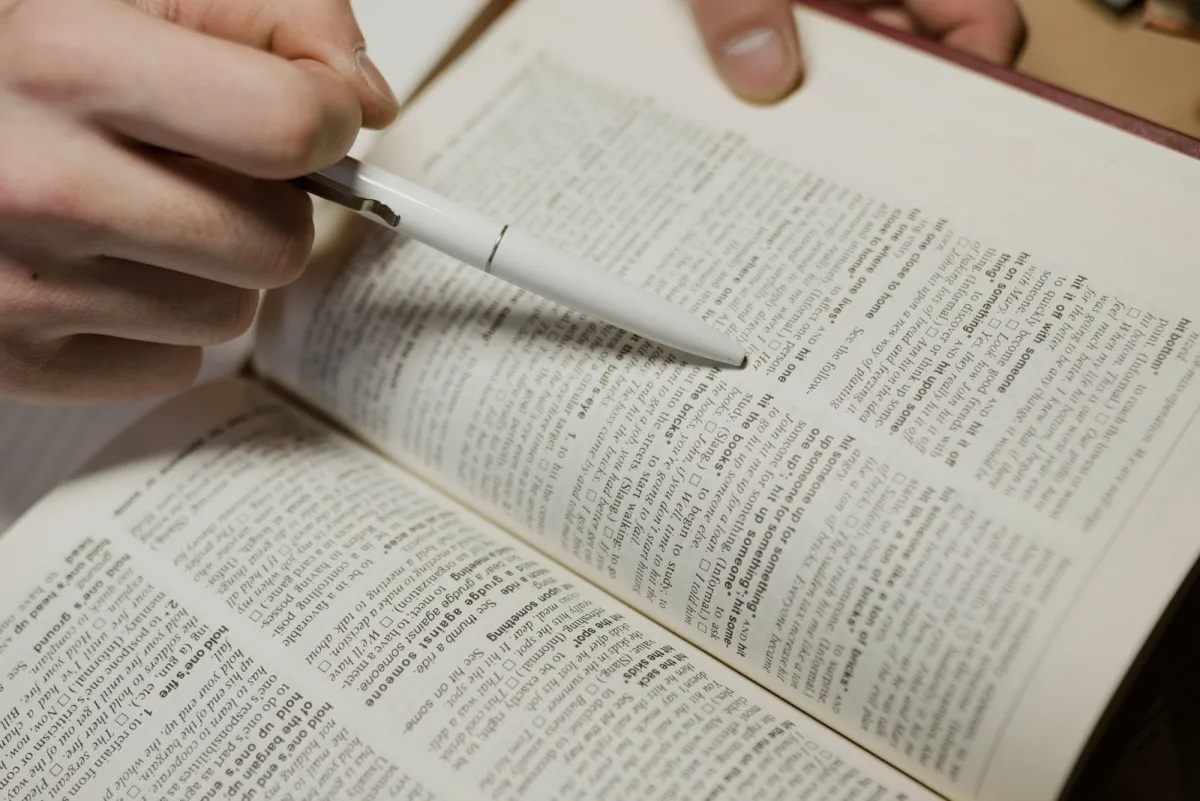
Editing is one of the most accessible freelance businesses to start in 2026: startup costs are minimal, demand from indie authors and content-heavy businesses keeps growing, and — precisely because AI tools now produce so much rough text — human editors who can make writing genuinely publishable are in demand, not out of work. What the field does require is precision, style-guide fluency and business discipline. This guide covers all six steps. If you are weighing freelancing in general first, start with our hub guide on how to become a freelancer.
Step 1: Choose your editing type
“Editor” is four different jobs at four different price points. Decide where you sit before marketing yourself:
| Service | What it covers | Skill level | Relative pay |
|---|---|---|---|
| Developmental editing | Structure, argument, plot, big-picture content | Advanced | Highest |
| Line editing | Style, flow and clarity at sentence level | Intermediate–advanced | High |
| Copyediting | Grammar, usage, consistency, style-guide compliance | Intermediate — common entry point | Mid |
| Proofreading | Final error check before publication | Entry level | Lowest |
Most freelancers start with copyediting or proofreading and add deeper services as experience grows. Just as important: pick a market — fiction, nonfiction, academic, or business/marketing content. A fiction copyeditor and an academic copyeditor use different style guides, quote different rates and find clients in completely different places. If your real interest is producing text rather than polishing it, look at our companion guide on how to start freelance writing — many freelancers eventually offer both.
Step 2: Build your skills — and consider training
No US state or UK authority licenses editors; you can legally start today. But clients cannot verify skill from a resume, so structured training and professional membership do real work for you:
- EFA (Editorial Freelancers Association, US): courses on copyediting, developmental editing and specialty niches, plus a member directory that clients actually search.
- CIEP (Chartered Institute of Editing and Proofreading, UK): structured training courses and graded professional membership levels that signal competence to publishers.
- University certificate programs: several US universities offer editing certificates — useful if you want a formal credential for academic or corporate clients.
Training or not, practice deliberately: edit sample chapters and published articles with tracked changes, compare your decisions against the published versions, and get used to justifying every change in one sentence. That habit — being able to say why — is what separates professional editing from opinionated reading.
Step 3: Master the relevant style guides
Professional editing means applying a documented standard consistently, not enforcing personal taste. Which guide you need depends on the market you chose in step 1:
- Chicago Manual of Style (18th edition): the standard for US book publishing and most long-form nonfiction and fiction.
- AP Stylebook: journalism, PR and most business and marketing content.
- APA style: academic, scientific and psychology-adjacent work.
You do not memorise these guides — you learn their logic and look things up fast. Many editors work from the online subscriptions, but the print edition of the Chicago Manual of Style, 18th edition is still a standard fixture on professional editing desks — no login, no lookup limit. The practical deliverable is the style sheet: a per-project document recording every decision you made (hyphenation, capitalisation, character names, recurring terms). Build a reusable template now; a clean style sheet delivered with your edit is the single most trusted work sample in the industry.

Step 4: Build a portfolio and collect testimonials
Editing portfolios are lighter than design portfolios — you need three to five convincing samples, not thirty:
- Edit a public-domain text or published article with tracked changes as a demonstration piece.
- Offer two or three discounted first projects to indie authors or small businesses, explicitly in exchange for a testimonial.
- Create one strong before-and-after sample showing your changes and the reasoning.
Put these on a one-page website stating your specialty, style-guide expertise, process and rates. Specific positioning (“copyeditor for self-publishing thriller authors, Chicago style”) converts dramatically better than “freelance editor for all texts.” Ask for the testimonial immediately at project delivery — response rates drop by half after a week.
Step 5: Set your rates with industry data
The best pricing anchor in the field is the EFA rate chart, updated for 2026 from a survey of over 1,100 member editors:
| Service (EFA medians, 2026) | Typical rate |
|---|---|
| Copyediting, fiction | ~2.0–2.7¢ per word |
| Copyediting, nonfiction | ~3.0–4.0¢ per word |
| Proofreading, fiction | ~$35–45 per hour (10–15 pages/hour) |
| UK reference: CIEP suggested minimum | ~£32 per hour (as of 2026) |
A concrete example: copyediting a 60,000-word nonfiction manuscript at 3–4 cents per word is a $1,800–2,400 project. Quote per word or per project where possible — it rewards you for getting faster and gives clients cost certainty. Two protections to build in from day one: run a short paid sample edit (1,000–2,000 words) before quoting any large manuscript, because the text's actual condition can double the workload; and check every quote against your personal cost floor with our hourly rate calculator — per-word rates that sound fine can hide sub-minimum hourly earnings if you edit slowly.
Check your minimum hourly rate
Step 6: Find your first clients
Editing clients cluster in findable places — you rarely need cold mass outreach:
- Indie author communities: self-publishing forums and genre communities post regular calls for copyeditors and proofreaders.
- EFA / CIEP directories: publishers and authors search these directly; membership pays for itself with one project.
- Small publishers and book packagers: pitch with your specialty and a sample; they onboard freelancers continuously.
- Content agencies and businesses: companies producing high volumes of content (increasingly AI-drafted) need reliable human editing — pitch those whose published material contains visible errors.
- Academic editing services: steady volume for APA-fluent editors, a good rate-building entry point.
Deliver every early project with a clean style sheet and a short summary of what you changed and why. That professional wrapper — more than the edit itself — is what turns first projects into repeat clients and referrals. And if you are starting from zero, our guide on how to start freelancing without experience covers the trust-building fundamentals that apply to every first-time freelancer.

How long does it take — and common beginner mistakes
Realistic timeline: with existing writing or language skills, most new editors land a first paying client within one to three months — the setup work (style-guide study, samples, directory listing) fits into evenings alongside a job. Reaching a full pipeline of repeat clients typically takes six to twelve months of consistent delivery and referral-building.
The mistakes that slow beginners down most:
- Quoting without a sample edit. A “lightly edited” manuscript can hide double the workload. Always price after seeing 1,000–2,000 representative words.
- Editing by preference instead of standard. Clients and publishers expect style-guide decisions they can trace, not taste. Every change should have a citable reason.
- Competing on price. Rock-bottom rates attract the hardest clients and anchor your positioning low for years. Compete on specialty and reliability instead.
- Skipping the paper trail. No project without a short written agreement covering scope (which editing level!), deadline and payment terms — scope creep from “proofread” to “rewrite” is the classic editing dispute.
Your next steps
Becoming a freelance editor in 2026 takes weeks of deliberate setup, not years: choose copyediting or proofreading in one market, work through the matching style guide, produce three tracked-changes samples, list yourself in the EFA or CIEP directory, and price from the rate chart — not from fear. Total startup cost stays under $500, which makes editing one of the lowest-risk freelance businesses to test alongside a job.
For the broader foundations — business setup, self-assessment and your first-year roadmap — continue with our hub guide on how to become a freelancer.
Frequently Asked Questions
How much do freelance editors make?
It depends on service level and specialty. The EFA's 2026 rate chart puts median copyediting at roughly 2–2.7 cents per word for fiction and 3–4 cents per word for nonfiction, with fiction proofreading around $35–45 per hour. In practice, copyediting a 60,000-word nonfiction manuscript at 3–4 cents per word earns $1,800–2,400. Experienced developmental editors and specialised academic or medical editors charge significantly more. Use our hourly rate calculator to work out your personal minimum before quoting.
Do I need a certification or degree to become a freelance editor?
No — there is no legally required license or degree for editors in the US or UK. What clients actually check is a sample edit, testimonials and whether you know the relevant style guide. That said, training from the EFA (US) or CIEP (UK), or a university editing certificate, speeds up both your skills and client trust, and directory membership in those organisations is a genuine client source.
What is the difference between an editor and a proofreader?
Proofreading is the final quality check before publication: typos, punctuation, formatting slips. Editing happens earlier and goes deeper — copyediting fixes grammar, consistency and usage; line editing improves style and flow sentence by sentence; developmental editing addresses structure, argument or plot. Rates rise with depth: proofreading is the entry point, developmental editing pays the most.
How do I become a freelance editor with no experience?
Start by editing material that exists publicly: take a public-domain text or a published article, edit it with tracked changes, and use it as a work sample. Then do 2–3 discounted first projects for indie authors or small businesses in exchange for testimonials. Our guide on how to start freelancing without experience covers the general playbook — for editing specifically, one strong before-and-after sample outweighs any resume line.
What should I charge per word as a beginner editor?
Slightly below the EFA medians is a reasonable starting point: around 2 cents per word for fiction copyediting and 2.5–3 cents per word for nonfiction, moving to the median once you have testimonials. Do not go far below that — cut-rate pricing attracts the most difficult clients and anchors you low. Always run a short paid sample edit (1,000–2,000 words) on large manuscripts before quoting the full project, so your per-word price reflects the text's actual condition.
What tools do freelance editors need?
The core kit is inexpensive: Microsoft Word with Track Changes (still the industry standard for manuscripts), Google Docs for business clients, a style-sheet template, and the current style guides — Chicago Manual of Style (18th edition) and AP Stylebook online subscriptions. A grammar checker like Grammarly works as a safety net for your own communication and a first pass, but it never replaces your judgment — clients pay you precisely for what automated checkers miss.